Accelerating Time-to-Market: Automating Data Center Design for Speed and Scale
Learn how TEECOM uses automation & scripting to shorten data center project timelines, enable early procurement, and scale fast...
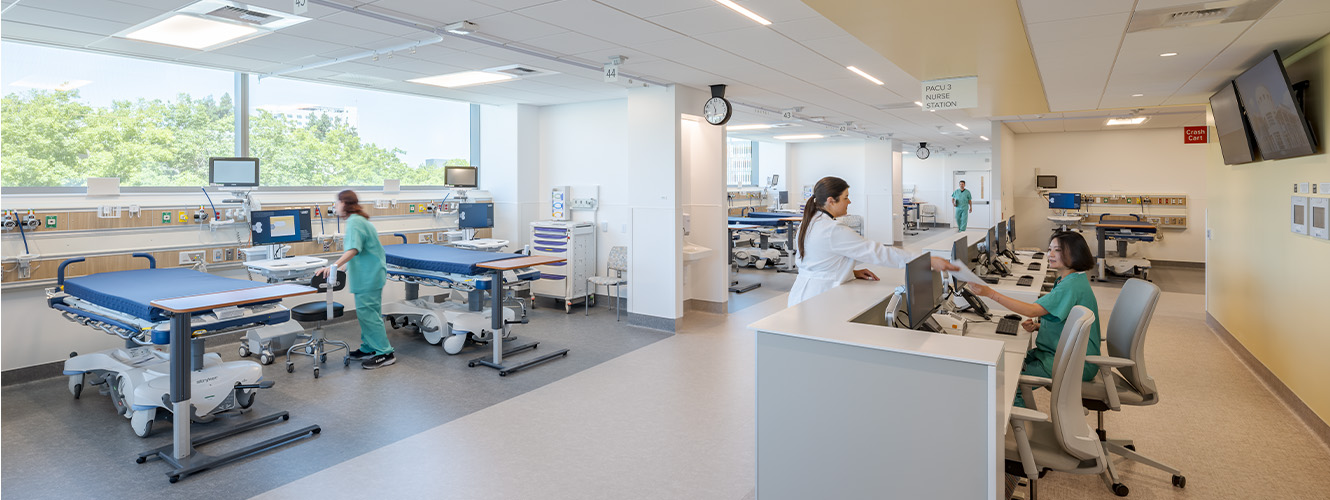
Healthcare facilities are active, complex environments that cannot simply hit "pause" for a technology upgrade. Consequently, the integration of new systems with legacy infrastructure presents a unique set of challenges that go far beyond technical specifications. From unknown pathway blockages to the ripple effects on staff workflows, the variables in a hospital environment are vast and often hidden.
Because of this complexity, the difference between a successful upgrade and a project plagued by delays often comes down to one factor: how well the team plans for the unknown. While no one can predict every obstacle, understanding the common pitfalls of legacy integration is the first step toward mitigating risk.
One of the major headaches of integrating new and legacy technology systems in a hospital is the unanticipated costs they incur. But how can one plan for the unexpected? No one truly can; however, budgeting time and money for contingency during these projects can make a significant positive impact. Unexpected costs are not an if, but a when. Bringing a technology consultant in during the initial planning phase helps your team understand potential challenges, apply lessons learned from similar projects, and avoid common pitfalls that can derail facilities later on.
Additionally, unexpected issues may affect patients and staff. For instance, if an organization is updating to a new access control system, it may be necessary to use two cards for access control during the upgrade. This can be cumbersome for staff, but if you are upfront about expectations before the switch, it can ease relations. As a further example of how unanticipated costs arise, in this same scenario, it could be discovered, as the access control database is updated, that issues in the previous database need to be addressed before the upgrade. This is why budgeting for contingency is crucial during these upgrades.
Below are some of the common occurrences we have seen that cause delays during new system integration:
Ultimately, setting expectations with the design team around contingency budgets and schedules, and clarifying whose responsibility any unforeseen renovation work would fall under, will help alleviate some of the stress from unanticipated costs during new and legacy system integration projects. Additionally, communicating with staff and patients during these renovations is crucial in maintaining workflows and keeping patient satisfaction high.
When planning to integrate a new and a legacy system in a facility, the initial focus should be on site due diligence and phasing. If teams can get these two things right, they will be better prepared to face challenges as they arise.
The better the due diligence process, the fewer headaches the design team will run into. This process is most successful when organizations bring in the architect, facilities, IT, electrical, and the technology design consultant for planning. Doing thorough due diligence includes, but is not limited to, ensuring the team knows how to get access to all the necessary areas for the project work, identifying local people who have done a lot of work at the facility and have institutional knowledge, and assigning a party to document all of this (ideally, the technology design consultant). By doing this, the design team can identify key design questions, such as:
This allows the owner to consider risks, such as lower patient scores and the opportunity cost of rooms being down, to determine whether the risk is worth the price of the technology upgrade. Ensuring this due diligence phase is included at the start of the project schedule will yield the best results.
Speaking of schedules, it is always practical to plan for contingency in the project's budget and schedule to provide extra room for unforeseen challenges. One budgetary aspect we have seen owners overlook is the need to increase staffing levels to cover more off-hour work and budget for the resulting increase in labor costs.
Lastly, be sure to plan the integration in phases. This can reduce overall operational strain on the facility if done with proper planning. A unified experience for the people being trained on the new systems is one of the most significant pain points our team has encountered. The primary goal should be to avoid training new or transferring staff on an old system at one unit, only to have them go to another unit with the new system. One solution is to use software overlays that work with both new and old hardware to minimize the need to learn multiple systems. Using existing facilities as pilot projects and training grounds is also a great way to phase your upgrades. By methodically upgrading unit by unit or floor by floor, the facility is able to adhere to the new training plan and avoid haphazard training, which will drive up costs.
It's important to consider all stakeholders at the facility when planning which upgrades to include in a project. For instance, would updating the nurse call, RTLS, WiFi coverage, or overhead paging have a substantial positive impact on staff workflow? One of the new features we've seen in overhead paging systems is the ability to control noise levels on individual speakers due to separate IP connections. Another feature we've seen owners consider is having wearable staff duress buttons connected to the RTLS system versus having them connected to desks.
When implementing upgrades, patient satisfaction should also be considered. Are there patient satisfaction measures the facility specifically wants to invest in? Common ones include noise-cancelling machines to help mitigate noise during construction. These measures can be costly, but if they are included in the budget beforehand, they are less of a surprise and instead showcase thoughtful planning.
Integrating legacy and new systems is a balancing act that requires project leaders to look beyond the hardware. It requires a holistic view that considers the disruption to flooring, the noise impact on patients, and the learning curve for staff. Because of this, a phased approach is the only practical way to manage discovery, training, and those inevitable "unknowns" without overwhelming your operations.
As project closeout approaches, remember that the job isn't done at “Day 2" The most successful projects are those that leave a legacy of clarity: detailed documentation, clear instructions at workstations, and a "train the trainer" mindset that keeps the system viable long-term. By slowing down to conduct proper due diligence and setting realistic expectations, you ensure the technology upgrades support the most important element of the hospital: the people inside it.
If you are planning a system integration and want to dive into the details of your next technology infrastructure project, visit our contact page today to start a conversation with one of our healthcare experts.
Stay ahead of the curve with our latest blog posts on industry trends, thought leadership, employee stories, and expert insights.