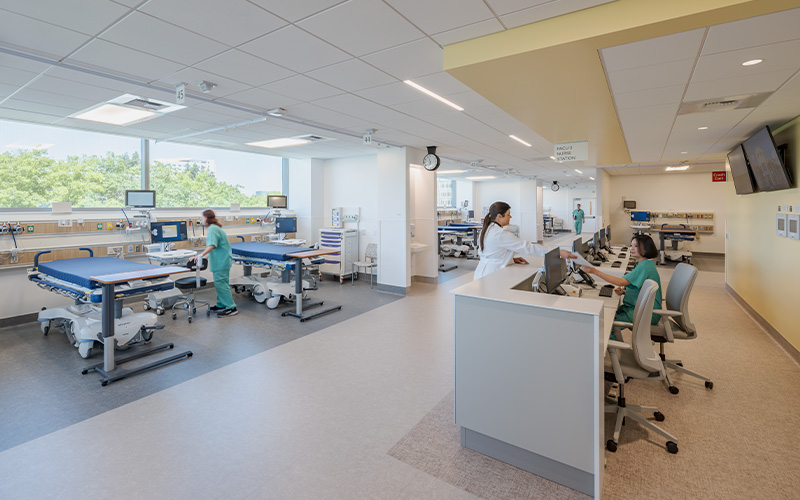

TEECOM to Attend GSX 2026
TEECOM, a leading technology consulting and engineering firm, is pleased to announce its participation in GSX 2026...
For decades, security has been viewed by the C-suite as a necessary cost center, a defensive line item dedicated solely to risk mitigation. Success was measured by what didn’t happen. If there were no breaches or incidents, the system was working.
But in the modern, data-driven workplace, this perspective is outdated. At TEECOM, we are helping our clients reframe technology infrastructure. Security is no longer just about “protecting the building”; it is a strategic business enabler that can actively improve the bottom line and the employee experience.
Security systems are no longer passive tools. They are the eyes of the business. Historically, those systems had a single purpose. Monitor activity and detect threats. Today, with advances in computer vision and integrated platforms, those same systems can serve multiple functions across safety, real estate, IT, and operations.
When properly designed and integrated, security infrastructure delivers three levels of value:
This is where the shift happens. Security moves from reactive protection to proactive optimization.
In mission-critical environments like data centers, the value of this shift is immediate. In these spaces, downtime equals lost revenue. By using computer vision and safety sensors, we can identify business disruptors, avoidable operational failures or environmental anomalies, before they stop business.
Whether it’s identifying a cooling failure in a server rack or a liability exposure on a loading dock, these systems provide a level of operational visibility that traditional facility management cannot match. When you can prevent a disruption before it happens, security technology has moved from a risk mitigation expense to an operational efficiency asset.
Beyond safety, the data generated by security systems is a goldmine for real estate optimization. By understanding actual occupancy patterns (rather than just badge swipes), organizations can make informed decisions about their leases and space utilization.
If a security system shows that 40 percent of an office remains unused even during peak hours, that is actionable intelligence that real estate teams can use to reduce operating costs. By integrating these systems into a unified roadmap, TEECOM helps clients transform their security spend into a value creator. Security should build confidence in your employees and your customers, ensuring that your business never stops because of something that was avoidable.
TEECOM supports the design of integrated security systems that enhance safety, awareness, and operational control. We coordinate with project teams to align security technologies with architectural, operational, and user requirements. Our early engagement helps ensure systems are effective, scalable, and seamlessly integrated into the built environment. Contact us to learn more about how TEECOM can assist with security systems in your next project.
Jordan Rivchun, Principal, Vice President of Client Relations, leads strategic client engagement and growth across the commercial, workplace, and enterprise markets. For over 20 years, his work has focused on aligning technology and the built environment with practical business and operational outcomes. Jordan is relied on by clients and peers for clear judgment, practical experience, and long-term thinking, shaped by time spent on both the operator and manufacturer sides of the industry.
Stay ahead of the curve with our latest blog posts on industry trends, thought leadership, employee stories, and expert insights.